

Cynthia Erivo doesn’t talk about Wicked as just another job that helped her build her resume. For her, the movie versions of the famous musical mean something much deeper than box office numbers or reviews. In her own words, Wicked is more than simply a hit movie; it’s a cultural movement that changed her life, made people think about themselves in new ways, and left an emotional mark that will last long after the last curtain falls.
Erivo was 38 years old when she took on the part of Elphaba, the misunderstood green witch. She brought with her years of theater training, emotional intelligence, and real-life experience. It’s not easy to play Elphaba. The figure has long been a symbol of being different, being strong, and quietly standing up for what you believe in. Erivo didn’t want to copy or put up a show when she played Elphaba. It was about the truth. She took on the role as someone who knew what it was like to be misread, judged, and labeled before being completely known.
Erivo made it apparent that she can’t just walk away from Elphaba after thinking about her time with the role. According to Female First UK, she said that the green witch will always be a part of her. The emotional connection she made with the role has become a part of who she is, showing how profoundly art can connect with life when an actor really lives a character instead of just acting one.
When asked to say her last words to Elphaba, Erivo answered with a sense of appreciation that seemed real instead of contrived. She remarked, “I would like to thank her for opening up a new chapter in my life that I never thought possible.” This movie isn’t simply popular; it’s a cultural movement. I’m very thankful that I was able to bring this character to life. She will always be a part of me. She really does have a significant piece of my heart. The words she used showed how much the event had changed her, both in her work and in her personal life.
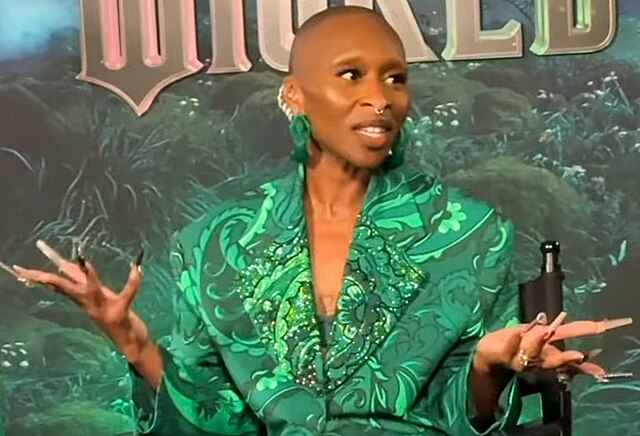
One thing that makes Erivo’s connection to Wicked so strong is that she knows that there are people watching on the other side of the television. She doesn’t talk about impact in general terms. Instead, she bases it on real events with real people. One of these memories still affects how she thinks about the role’s responsibilities. She remembered watching a chat show with a young girl who had just beaten cancer. The girl said that watching Erivo on film without hair made her feel like she could be okay too. That moment changed everything for Erivo. She said, “Those are the times that really change things for me, knowing that people are meeting themselves again through this character.” That’s incredibly special to me.”
This feeling of representation is what makes Erivo think that Wicked has become more than just a show. The story of Elphaba has always gone against what people think about beauty, goodness, and being a hero. Erivo’s performance made those issues more relevant in a world that is becoming more conscious of how detrimental misunderstanding and exclusion can be. Her Elphaba doesn’t want pity. She wants to be seen, and by doing so, she lets others see themselves without shame.
Erivo has said that she can relate to Elphaba’s experience of being misunderstood. She has learnt throughout the years that not everyone will be kind when they see what she does or says. She has decided to embrace that fact instead of fighting it. She stated, “To be honest, I think I’ve learned to let that be what it is.” I can’t make people change their beliefs. There have been times when I’ve done something bad. I have realized that not everyone will be happy with what you do. Not everyone will get who you are, and some people won’t want to. That’s OK. I can’t alter the minds of everyone in the world, but I can keep evolving as a person and becoming what I think is a decent person. That’s all I can do.
That way of thinking is similar to the emotional heart of Wicked. Elphaba’s path is not about getting people to like her; it’s about keeping true to herself even when no one else will listen. Erivo’s personal comprehension of that message makes her portrayal feel real, and it goes far beyond the screen. Singing about defying gravity is one thing. It takes a different kind of strength to stand alone in your truth.
The job was quite hard on both the body and the mind. Erivo said that filming the song “No Good Deed” was one of the hardest portions of the whole project. The sequence needed to be completely separate, both in terms of story and feelings. She had to bring out the character’s anger, sadness, and determination on her own, without the help of her normal scene partners. The experience pushed her limits as a performer and made it clear how lonely Elphaba’s change was.
But these are the really hard times that show why Wicked is still important. The movie doesn’t give simple answers or tidy endings. Instead, it asks people to stay with their discomfort, evaluate the stories that are most common, and think about who is good or bad. Erivo’s performance makes those topics feel real and personal instead of just symbols.
The way people reacted to Wicked shows how popular it is in culture. People who like the movie don’t just like it; they see themselves in it. For some, it’s about race; for others, it’s about being sick, being different, or being afraid of never quite fitting in. Erivo’s performance has made it possible for these debates to happen. It shows that big-budget movies can still have deep emotional impact without losing their grandeur or spectacle.
Calling Wicked a cultural movement makes people think about both its strengths and its weaknesses. Many people will find the story very moving, but how it affects people will depend on how they carry its message beyond the theater. Art may make people feel empathy, but true transformation takes a lot of work over time. Erivo seems to know how to find this balance. Instead of romanticizing the role, she honors what it has done for her and others.
Cynthia Erivo’s relationship with Wicked is based on thankfulness, progress, and calm determination. The movie was a big step forward in her career, but more significantly, it reminded her of why sharing stories is vital. Not because it lets people get away, but because it makes them feel less alone at its best. Wicked is a reminder that being misunderstood does not make you less valuable, whether you see it as a great movie or a cultural movement. Sometimes, that’s what makes a narrative powerful.
The post Cynthia Erivo on Wicked as a Cultural Movement That Redefined Her Art and Identity appeared first on Influencer Magazine UK.
